Introduction
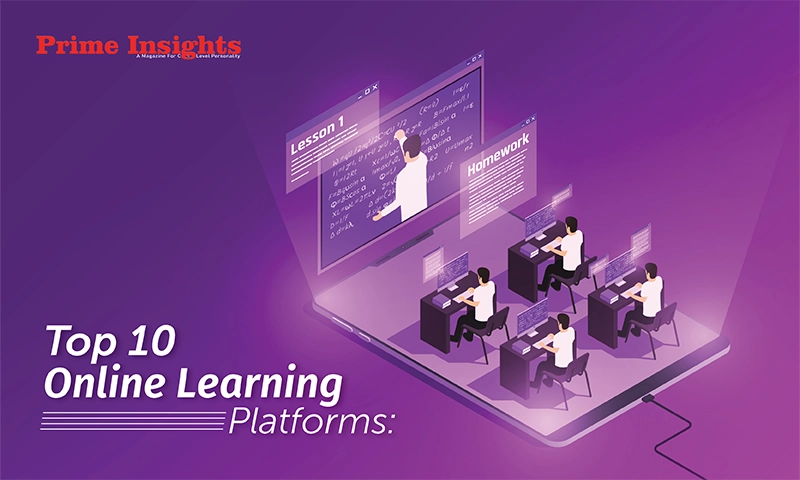
In today’s fast-paced digital world, education is no longer limited to physical classrooms. With the rise of technology, online learning platforms have emerged as powerful tools that make education accessible to anyone, anywhere. From professional skills to academic courses, these platforms are shaping the way people learn and grow. This article explores what online learning platforms are, their benefits, challenges, and why they represent the future of global education.
What Are Online Learning Platforms?
An online learning platform is a digital space where learners can access courses, lectures, tutorials, and interactive tools over the internet. These platforms often provide video lessons, reading materials, quizzes, discussion forums, and certificates upon completion. Some well-known examples include Coursera, Udemy, edX, and Khan Academy.
Unlike traditional classrooms, online learning platforms allow students to learn at their own pace, making education more flexible and personalized.
Benefits of Online Learning Platforms

1. Accessibility and Flexibility
One of the biggest advantages of online learning platforms is accessibility. Anyone with an internet connection can join courses from top universities or industry experts. Whether you are a student in a small town or a professional with a busy schedule, online platforms allow you to learn anytime, anywhere.
2. Affordable Learning
Compared to traditional education, online learning is often more cost-effective. Many platforms offer free courses, while paid ones are usually affordable compared to tuition fees in universities. This makes education more inclusive and reduces financial barriers.
3. Wide Variety of Courses
Online platforms cover almost every subject imaginable—from computer science and business management to art, music, and personal development. Learners can choose courses that match their career goals, hobbies, or skill-building needs.
4. Personalized Learning Experience
Modern online platforms use artificial intelligence and algorithms to suggest courses based on learners’ interests and progress. This personalization helps students focus on areas where they need improvement and enhances their overall learning journey.
5. Career Advancement
Employers increasingly recognize online certifications and skills gained from digital platforms. By completing relevant courses, learners can improve their resumes, enhance career opportunities, and even switch industries.
Challenges of Online Learning Platforms
1. Lack of Face-to-Face Interaction
Unlike traditional classrooms, online platforms may limit real-time interaction with teachers and peers. Some students struggle without direct communication and motivation from instructors.
2. Self-Discipline Required
While flexibility is a benefit, it also requires strong self-discipline. Many learners drop out of online courses because they fail to manage their time effectively.
3. Technical Barriers
Not everyone has access to a stable internet connection or digital devices. This digital divide makes it difficult for some people, especially in developing regions, to benefit from online learning platforms.
4. Quality Concerns
Since anyone can publish courses online, the quality of content may vary. Learners need to carefully choose reliable platforms to ensure they gain accurate and valuable knowledge.
Popular Online Learning Platforms
- Coursera: Offers university-level courses and professional certificates.
- Udemy: Features affordable courses from independent instructors on thousands of topics.
- edX: Provides academic programs from world-renowned institutions like Harvard and MIT.
- Khan Academy: Focused on school-level education with free resources.
- LinkedIn Learning: Designed for professionals looking to improve workplace skills.
The Future of Online Learning Platforms
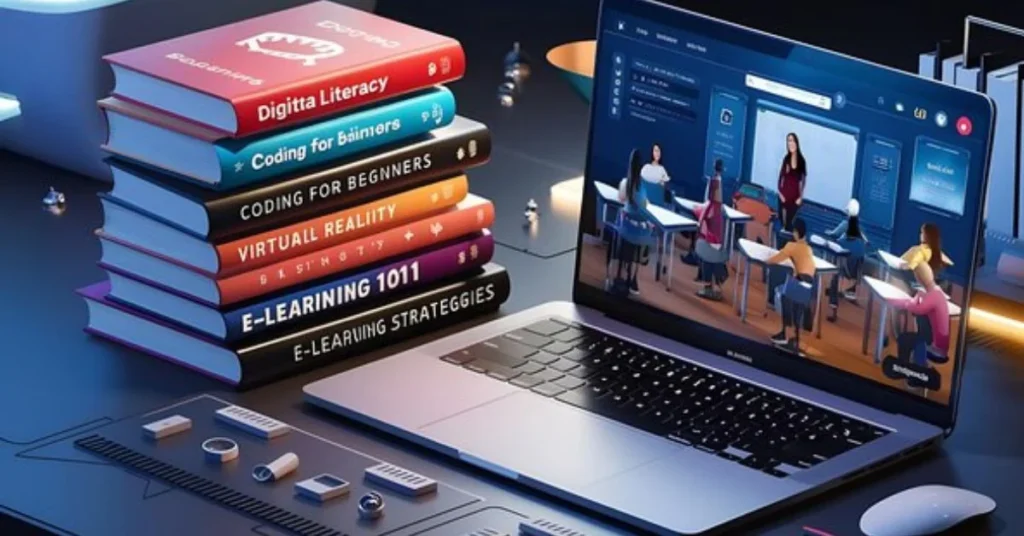
The future of online education looks promising. With advancements in artificial intelligence, virtual reality (VR), and augmented reality (AR), online platforms will offer more interactive and immersive experiences. For example, VR can simulate real-world scenarios, making medical or engineering training more practical.
Additionally, the demand for lifelong learning is increasing. As industries evolve rapidly, professionals will need to continuously upgrade their skills. Online learning platforms will play a crucial role in providing flexible, affordable, and high-quality education for lifelong learners.
Tips for Choosing the Right Online Learning Platform
- Check Course Quality: Look for reviews, ratings, and accreditation.
- Match Your Goals: Choose platforms that align with your career or personal interests.
- Consider Certification: Opt for courses that provide recognized certificates.
- Evaluate Flexibility: Ensure the platform offers learning at your own pace.
- Compare Pricing: Balance affordability with quality of content.
Conclusion
Online learning platforms are revolutionizing the education sector by breaking down barriers of cost, location, and time. They offer flexibility, affordability, and a vast range of courses for learners worldwide. Although challenges like self-discipline and quality control remain, the benefits far outweigh the drawbacks.
As technology continues to evolve, online learning platforms will not only complement traditional education but may eventually become the primary mode of learning for millions across the globe. For anyone eager to upgrade their skills or pursue lifelong learning, these platforms are the key to success in the digital age.